10.11.2022
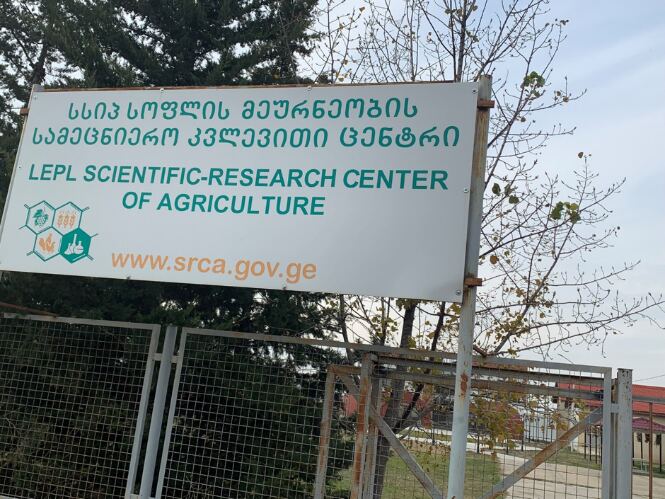
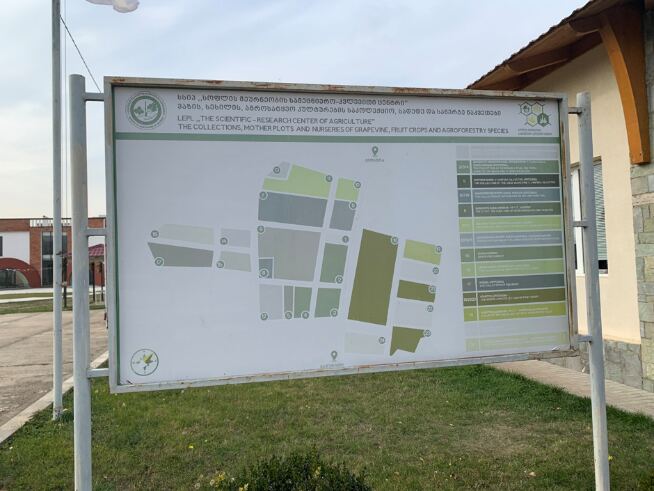
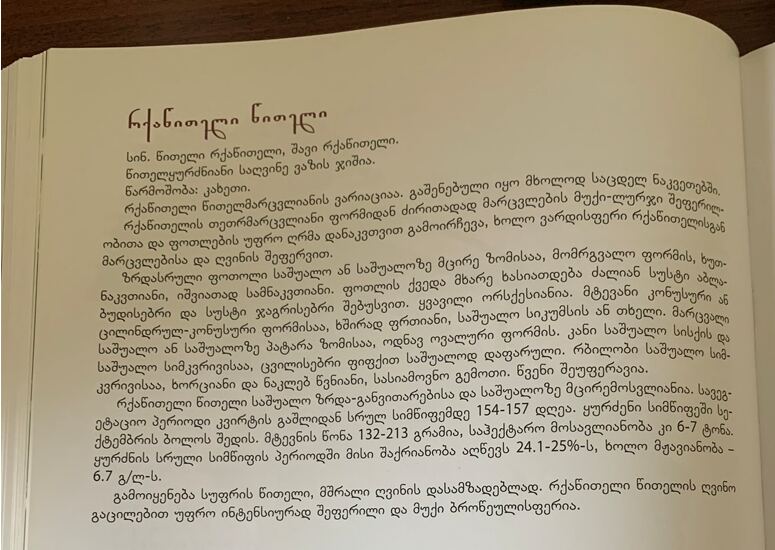
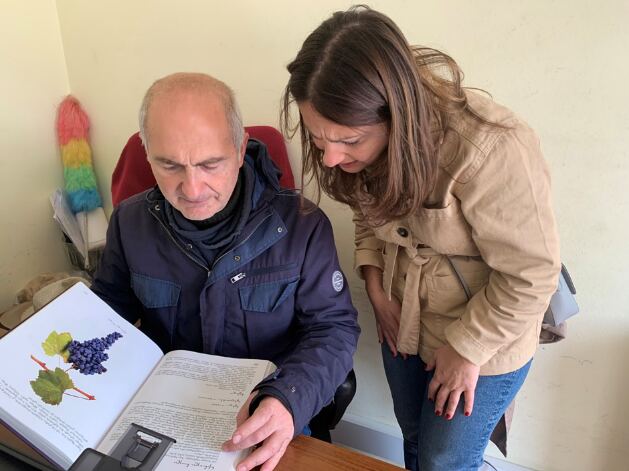
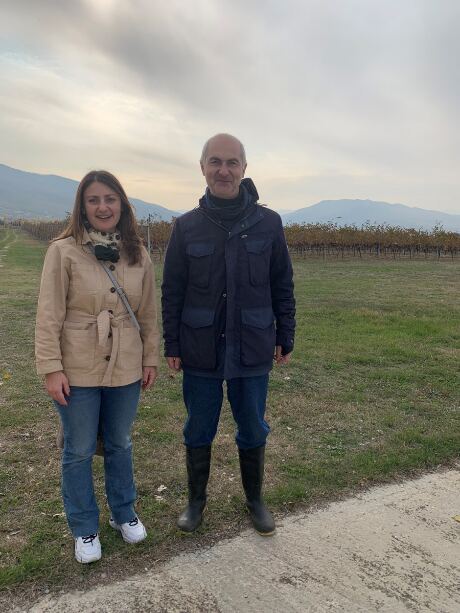
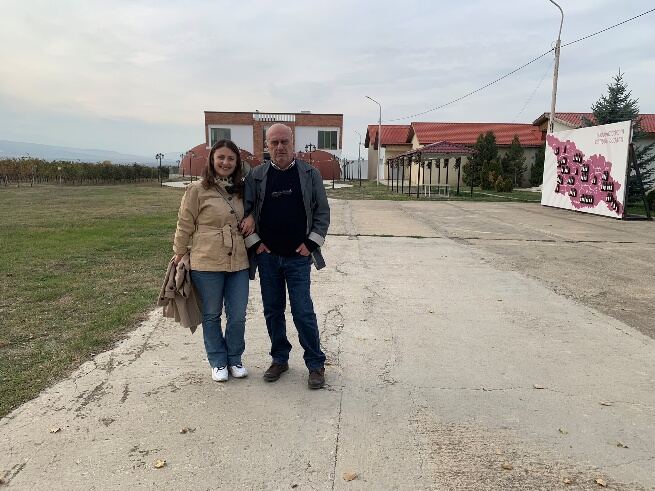
Visiting Professor Chichua at the Viticulture and Winemaking Research Division, Scientific-Research Center of Agriculture of the Agricultural University of Georgia.
A journey to bring two forgotten Georgian grape varieties back to life, one inherited vineyard, one tasting, and four years of waiting.
The story
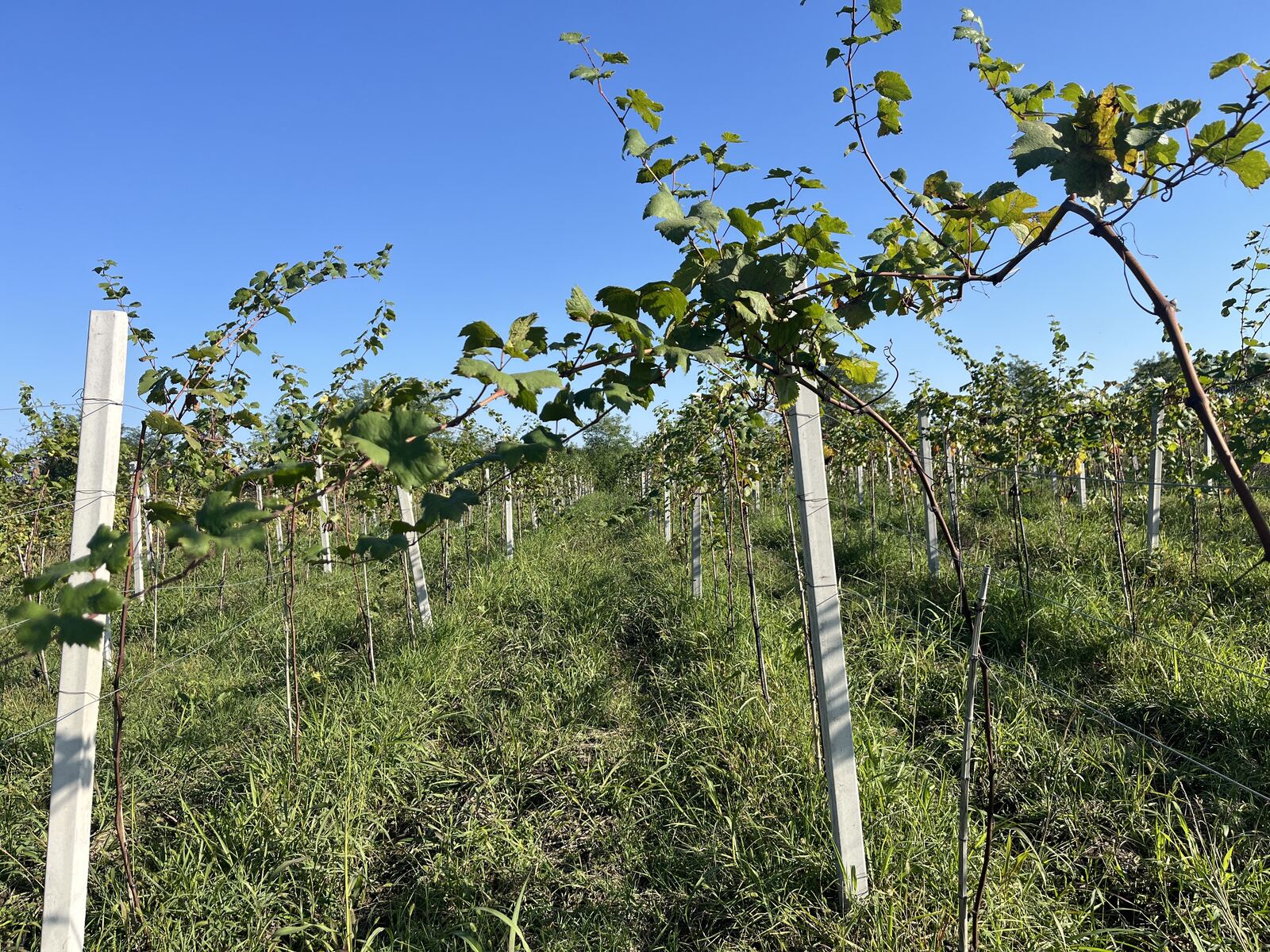
During the Covid pandemic, while life had slowed down for so many of us, I discovered something that would completely change my life. My grandparents had left me a small piece of land in their inheritance, a vineyard in the heart of Georgia's wine country. It was tiny by vineyard standards: about one-third of a hectare.
Living in Denmark, I had two fairly simple options. I could sell it; the land was worth roughly what one week's groceries would cost me in Denmark. Or I could find a reason to keep it.
I chose the second option. And that decision started the journey that eventually became Sanini Wines.
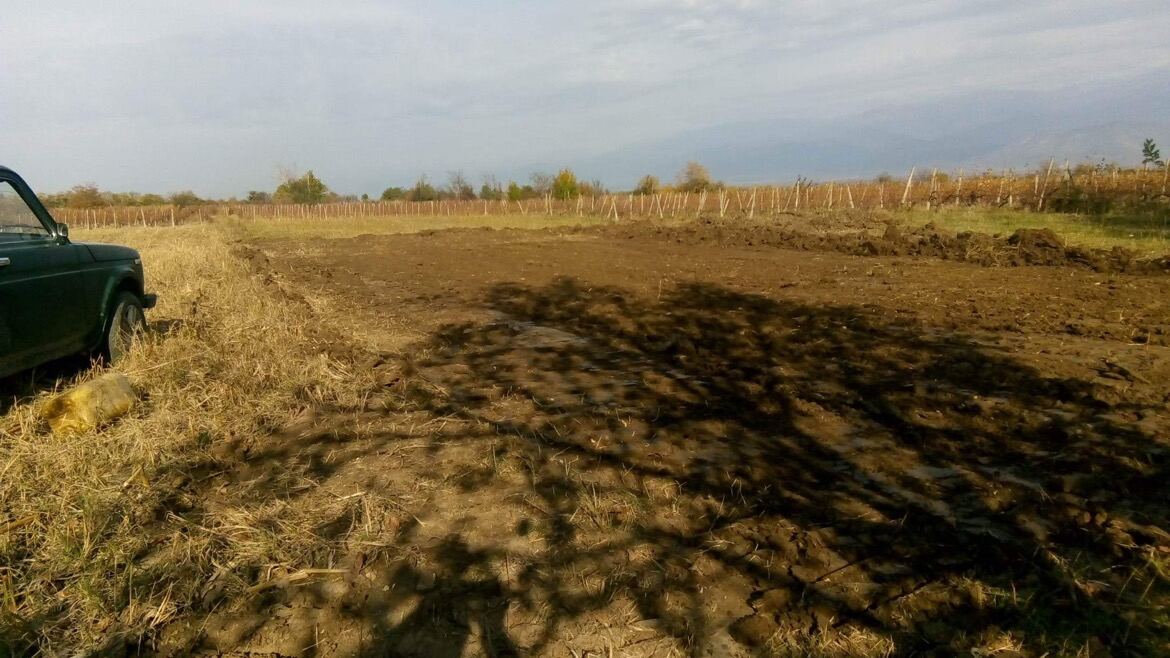
The vineyard sits in the Alazani Valley, in Georgia's Kakheti region, one of the country's most important and historic wine-producing areas. Georgia has an extraordinary winemaking tradition: wine has been made here for thousands of years, and the country is home to hundreds of indigenous grape varieties.
But many of these varieties have disappeared from everyday vineyards. During the Soviet era, wine production became increasingly focused on efficiency and volume. Many grape varieties simply didn't fit the system of mass production. Collective farms concentrated on a small number of varieties, while many others were gradually abandoned. Over time, some became extremely rare. Others disappeared completely from cultivation.
And I started wondering.
What if I could bring one of them back?It was probably a slightly crazy idea. But I liked it.
The search
Because my vineyard was so small, producing wine commercially in the traditional way didn't make much sense. So instead of asking "What wine can I make here?", I began asking a different question: "What grape belongs here?"
I wanted to find the variety that was native to the Kakheti region, something that had once grown there but was now endangered. My search eventually led me to the Agricultural University of Georgia and the Scientific-Research Center of Agriculture, which holds an incredibly important collection of Georgian grape varieties. Researchers there preserve, grow and study vines that are rare, endangered, or no longer commonly cultivated.
I contacted Professor David (Davit) Chichua, a Georgian expert in oenology, viticulture and winemaking, who heads the Viticulture and Winemaking Research Division at the Center. On 10 November 2022, I went to visit him.
10 November 2022
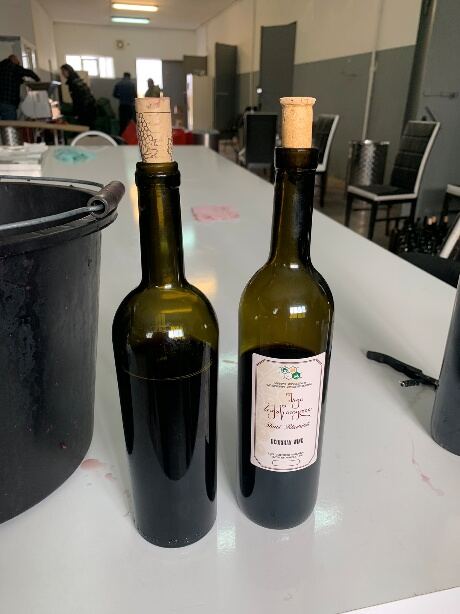
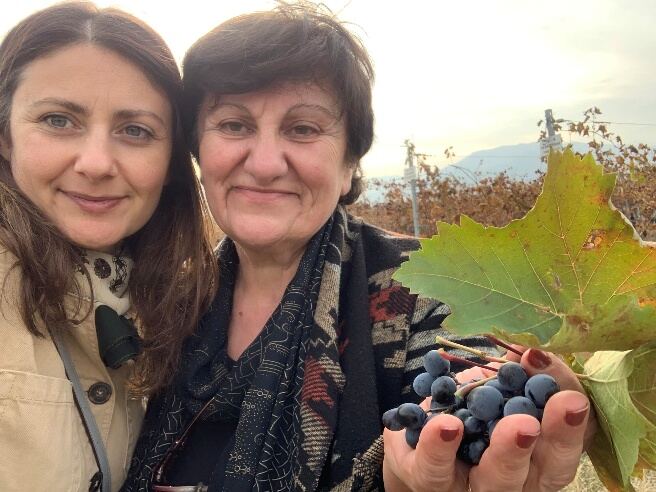
At the Center, researchers and students carefully tend the vines and produce small wine samples for research. Professor Chichua and I spent some time exploring several grape varieties that originated on the well-known Alazani Valley surroundig Telavi, the informal capital of the wine region in Georgia, and then I tasted them.
My requirements had been quite simple: I wanted a red grape, endemic to the region. But I hadn't expected the tasting to become such an emotional experience.
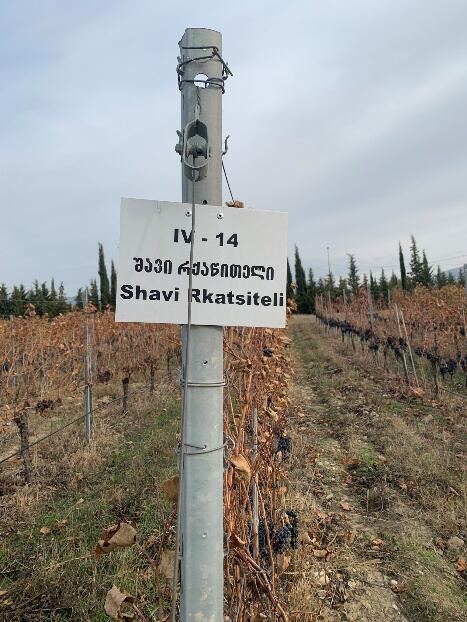
Two varieties immediately caught my attention. The first was Shavi Rkatsiteli, also known as Rkatsiteli Tsiteli. The wine had a beautiful bouquet of red vineyard cherries and plums. But there was another aroma hiding underneath. Something familiar. Something that took me straight back to my childhood; it reminded me of my great-grandmother's house.
My great-grandmother lived in the old stone house built in the late 18th century surrounded by big cherry trees. When I smelled that wine, I was suddenly back there. I could almost feel the summer heat. I could remember visiting her from the city, and I could remember the cherries; my brother and I loved climbing those trees, eating as many as we possibly could until, inevitably, our stomachs hurt. This was, of course, long before mobile phones existed.
There was something incredibly powerful about tasting the wine and having it bring back such a specific memory. And I knew: this was my grape. I wanted to bring Shavi Rkatsiteli back to my vineyard, and, in some small way, bring back a piece of my great-grandmother's world with it.
And I knew. This was my grape.
One grape became two
These vines had been preserved for many years in a protected research environment, with no guarantee they'd adapt and thrive somewhere new. So I decided not to put everything on one grape, and chose a second variety.
Grape one
also known as Rkatsiteli Tsiteli
A beautiful bouquet of red vineyard cherries and plums, with a deeper note underneath, the one that carried me straight back to my great-grandmother's cherry trees. This is the grape the tasting was named after, in every sense that matters.
Grape two
a second Alazani Valley native
A completely different feeling: vibrant red colour, a youthful and delicious character. It immediately made me think of my children, Niels and Sara, ordinary Copenhagen kids who also carry a part of Georgia with them.
So, what does "Sanini" mean?

Sara + Niels + Nino
= Sanini
For me, Sanini represents more than a wine. It represents family. It represents the connection between Georgia and Denmark. It represents the memories of the generations before us, and the hope that something from that heritage will continue into the generations after us.
And, most importantly, it represents two endangered Georgian grape varieties that we are trying to bring back to life.
Four years later…
My parents, Marina and Levan, are the ones who tend the vineyard, look after the vines, and do the hard work on the ground, caring for every vine almost as if it were their own child.
After four years of patience, uncertainty, hard work and quite a few moments of wondering whether my crazy idea would actually work, we are finally approaching the moment we've been waiting for. In October 2026, we expect our first vintage, a first harvest that could mark the return of these grapes to this land after more than 100 years. That thought still feels a little unbelievable.
What started with a tiny inherited plot and a choice between selling it or finding a purpose for it has turned into something much bigger than I ever imagined.
The photo diary
Every plant, every bud and every harvest, from the first visit to the research center through to the vines heading into their third year.
Visiting Professor Chichua at the Viticulture and Winemaking Research Division, Scientific-Research Center of Agriculture of the Agricultural University of Georgia.
Preparing the ground, phase three. It took three phases to clear and prepare the plot; nothing had been planted here for decades.
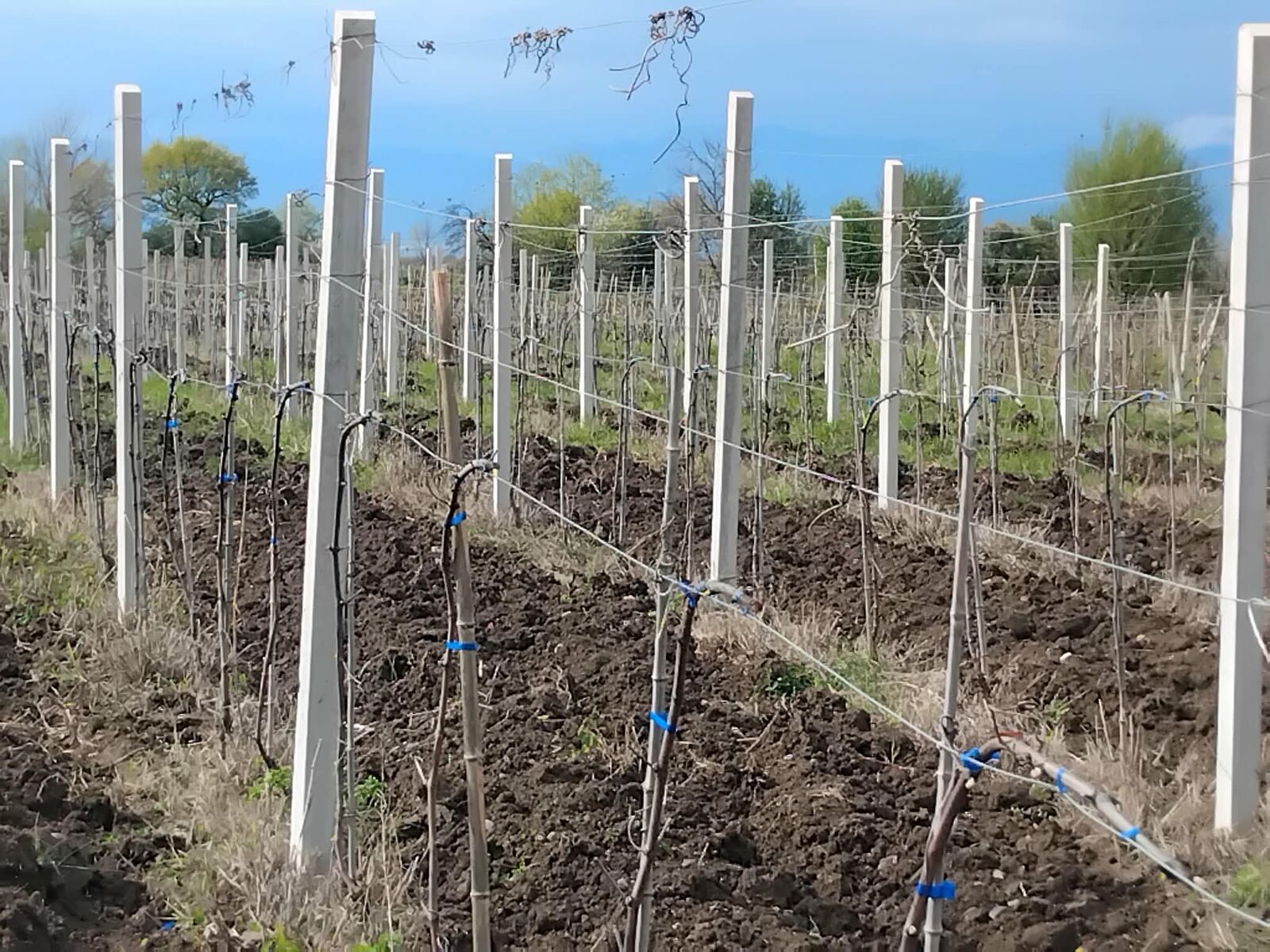
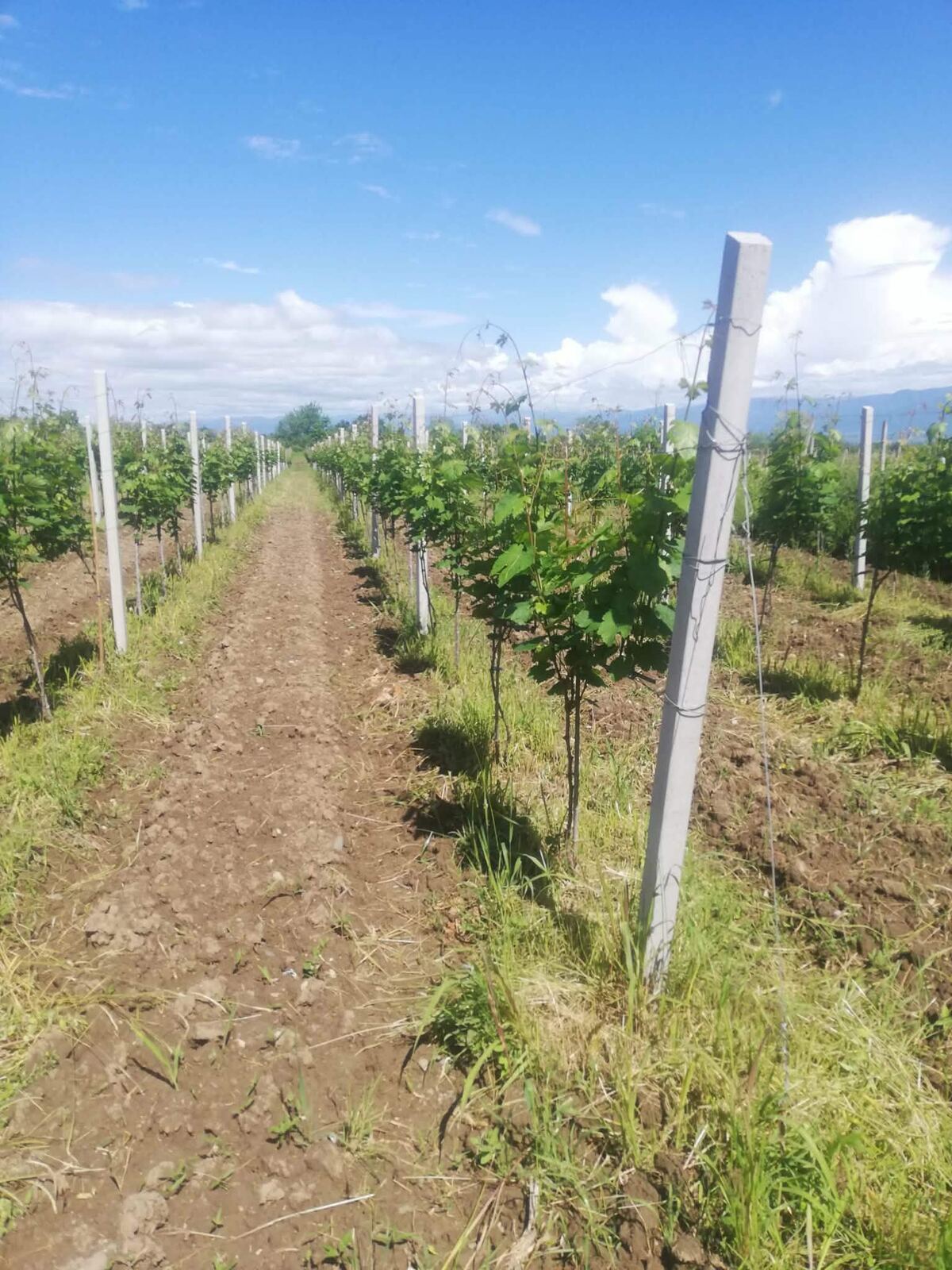
Planting the grapevine cuttings, 500 in total. The very first vines go into the ground.
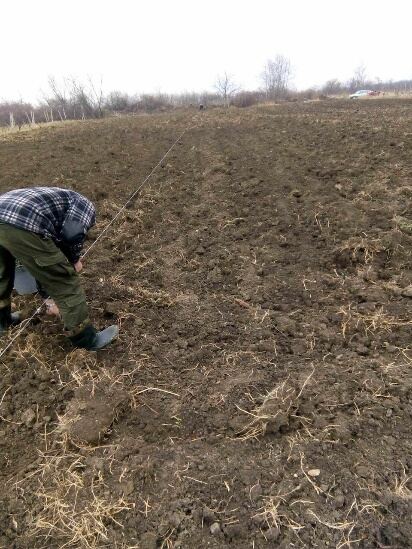
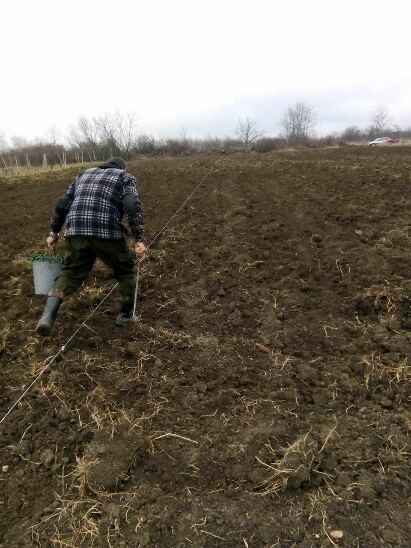
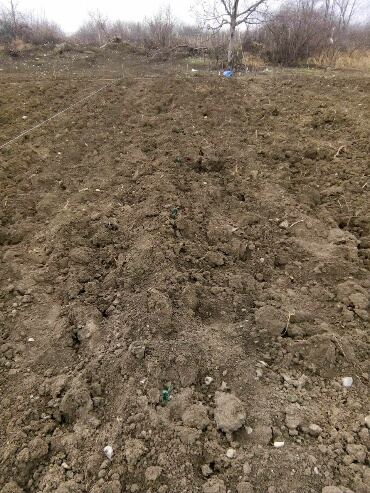
Inserting the poles that will carry the vines as they grow.
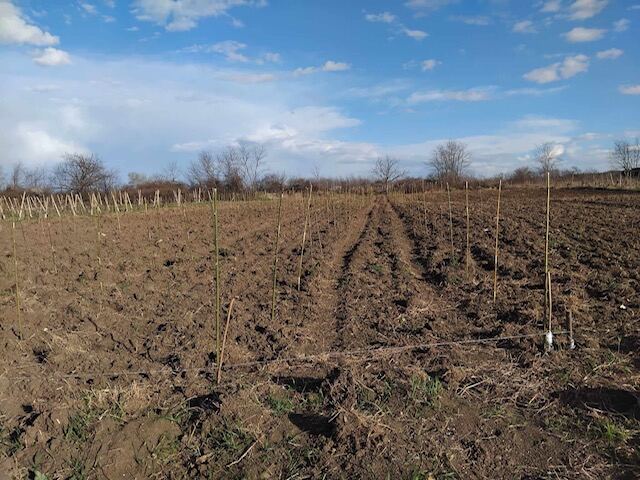
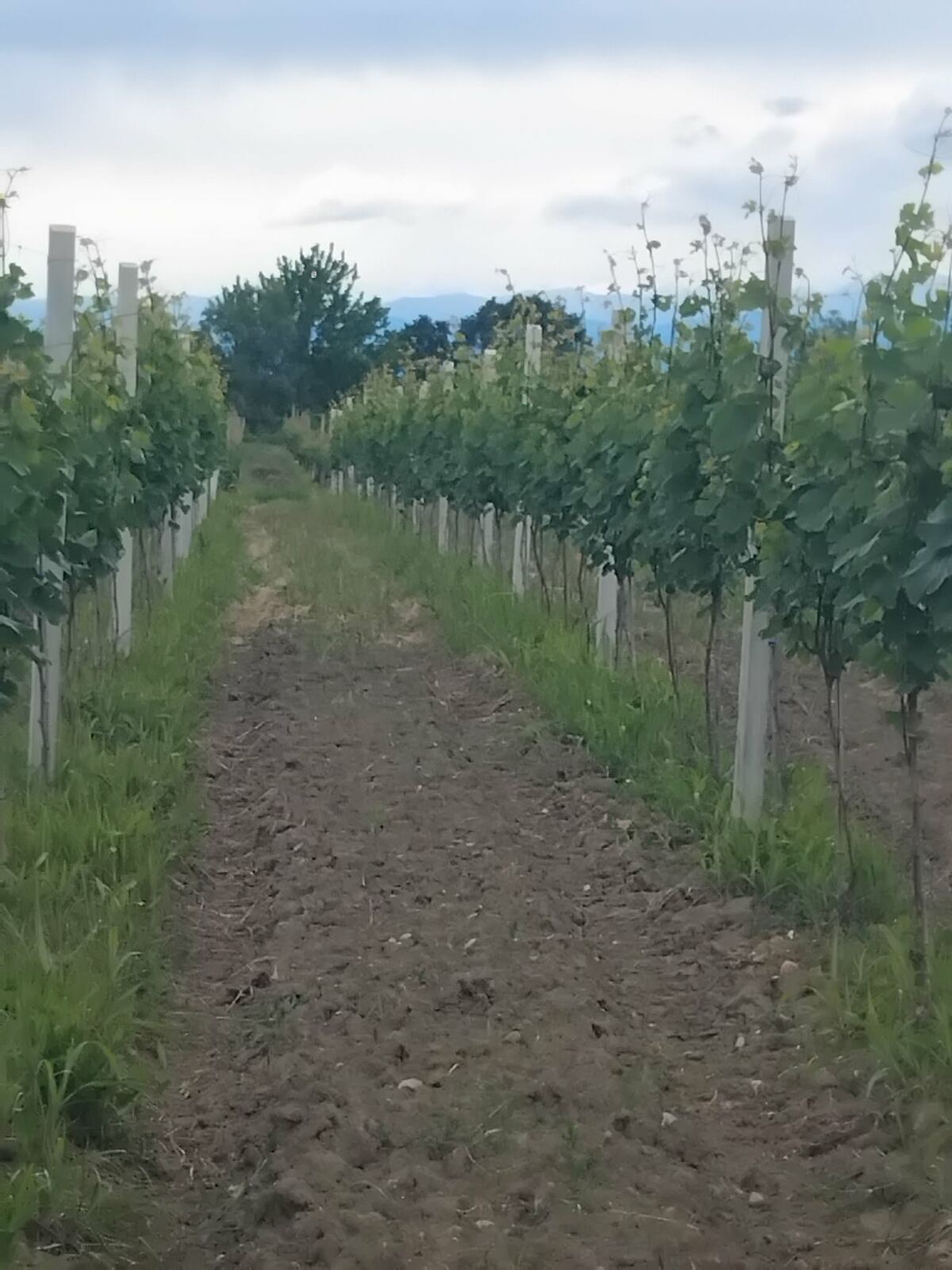
They start to blossom. They look gorgeous.
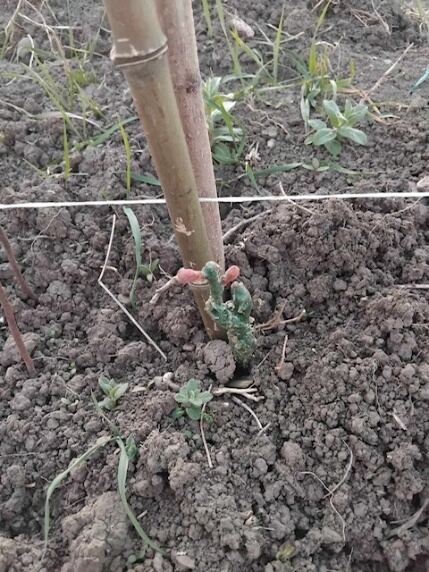
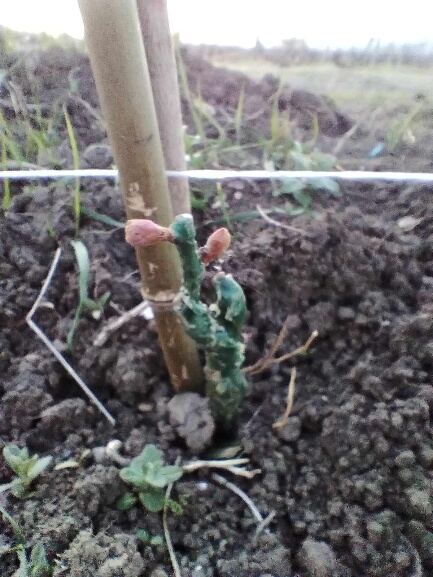
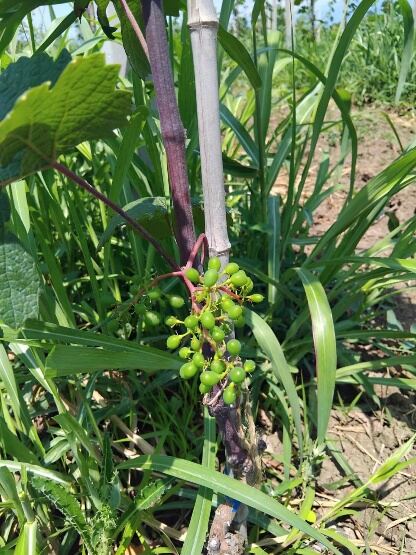
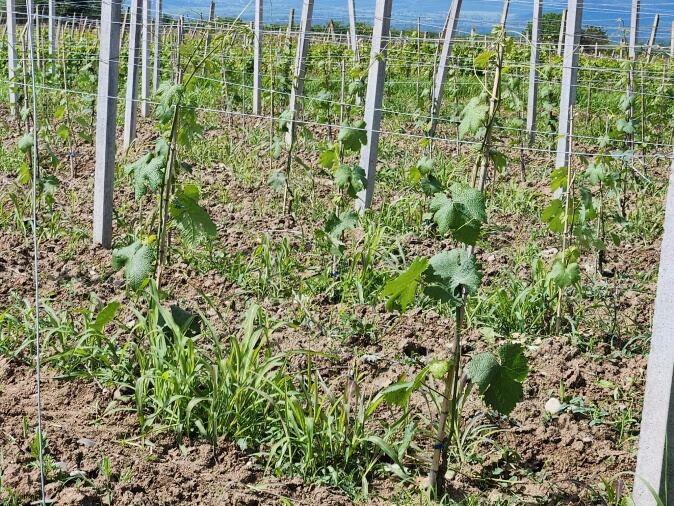
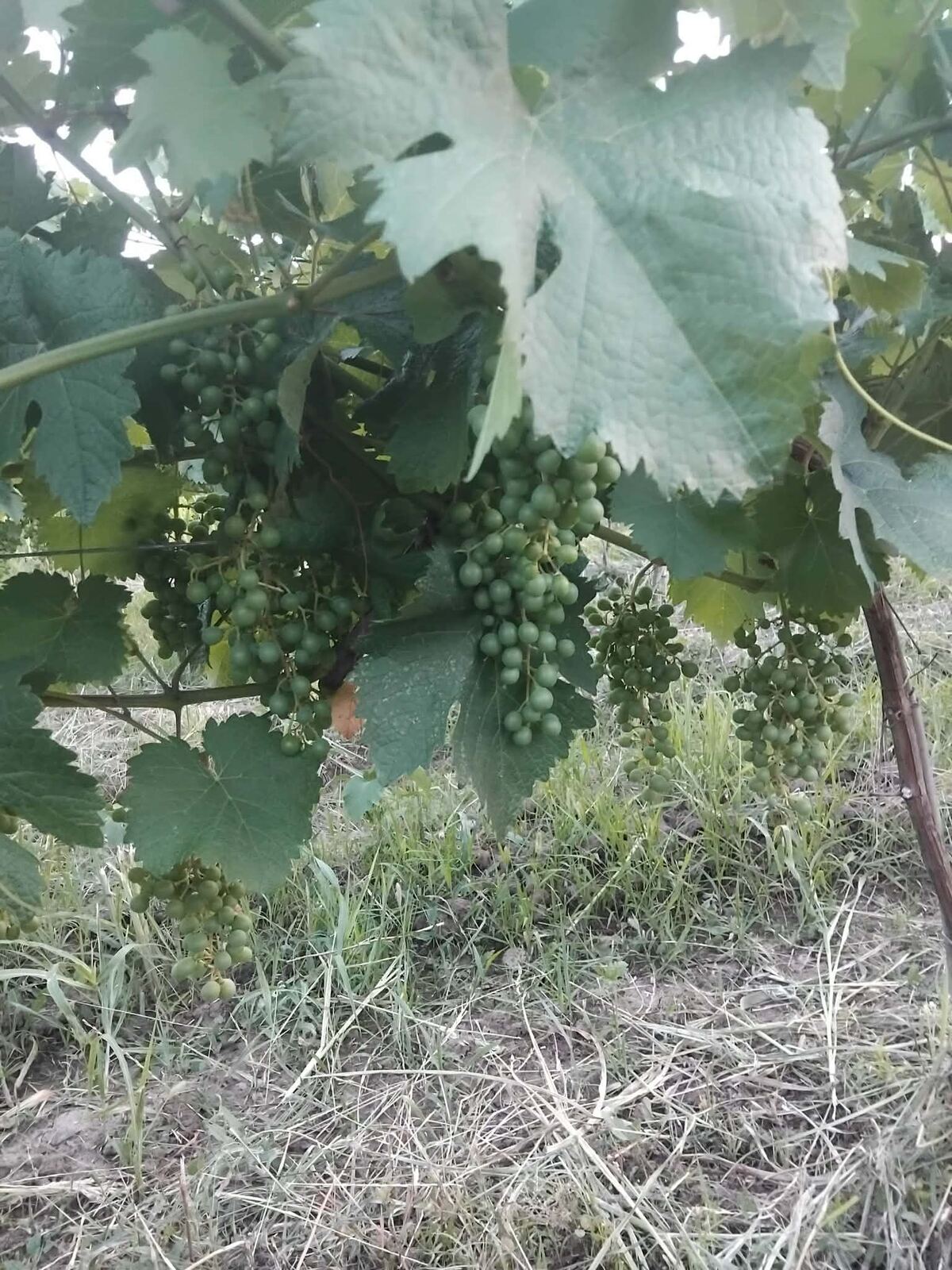
Growing and blossoming, the first grapes appear.
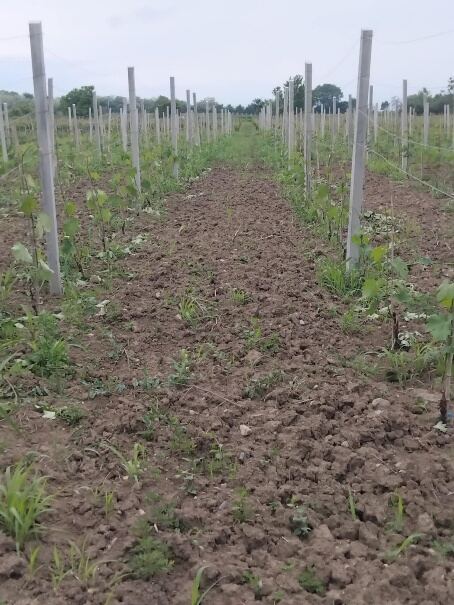
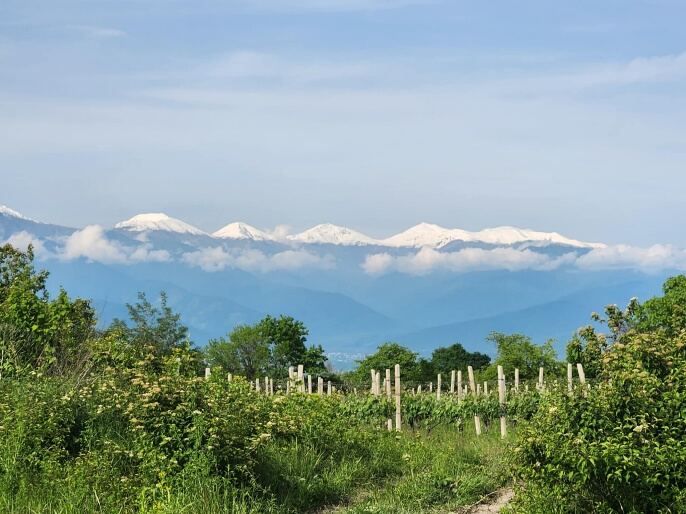
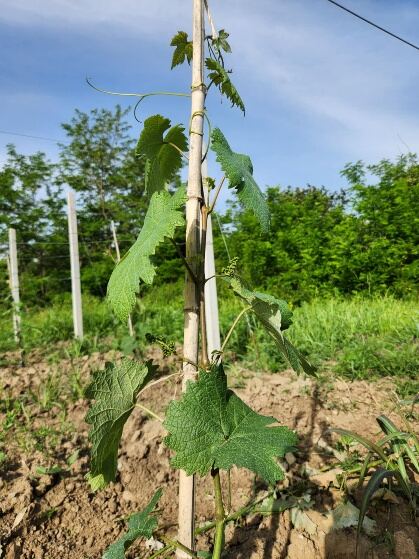
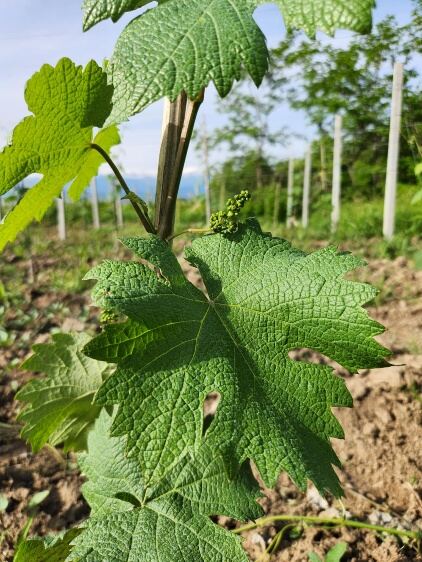
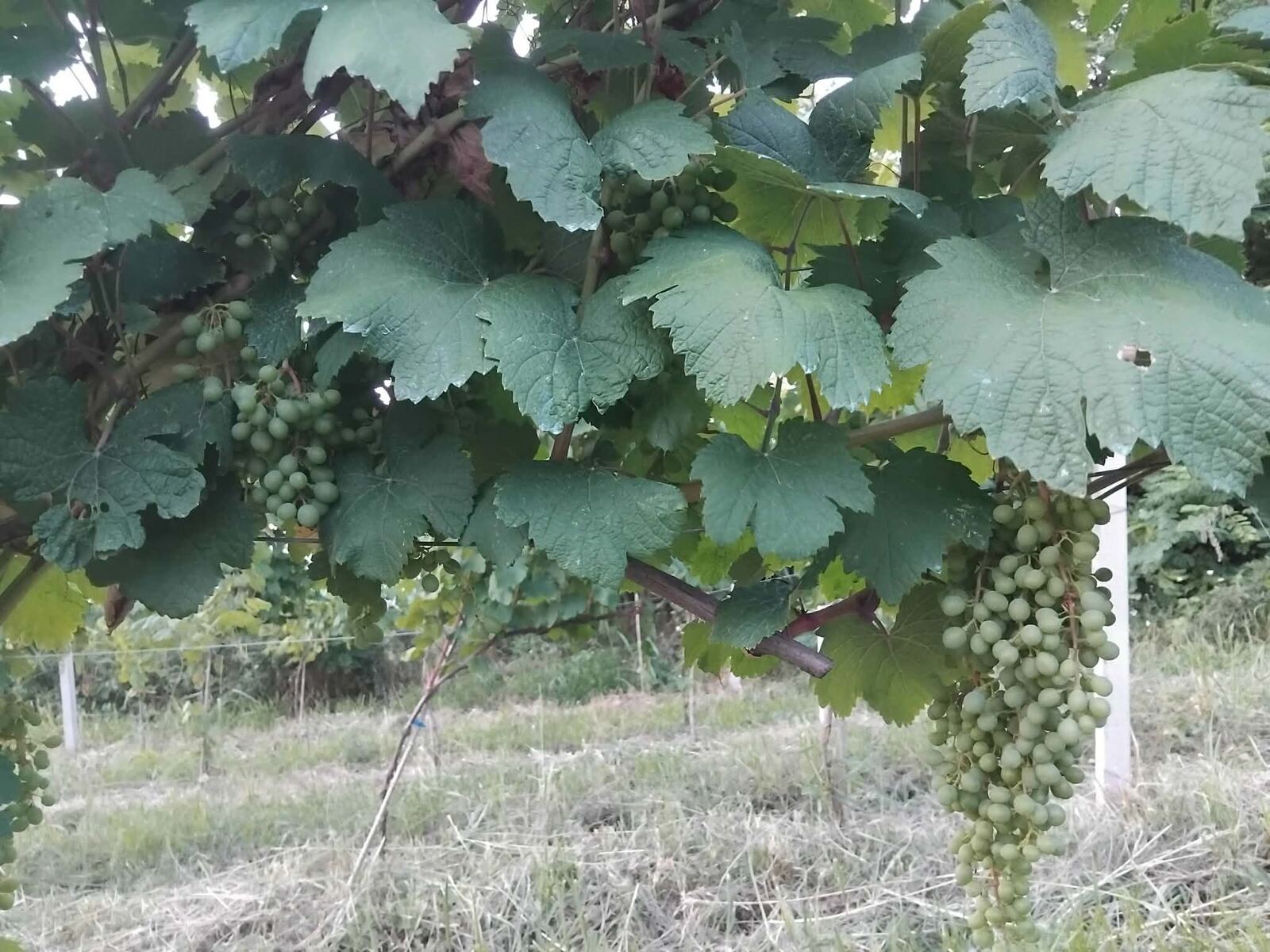
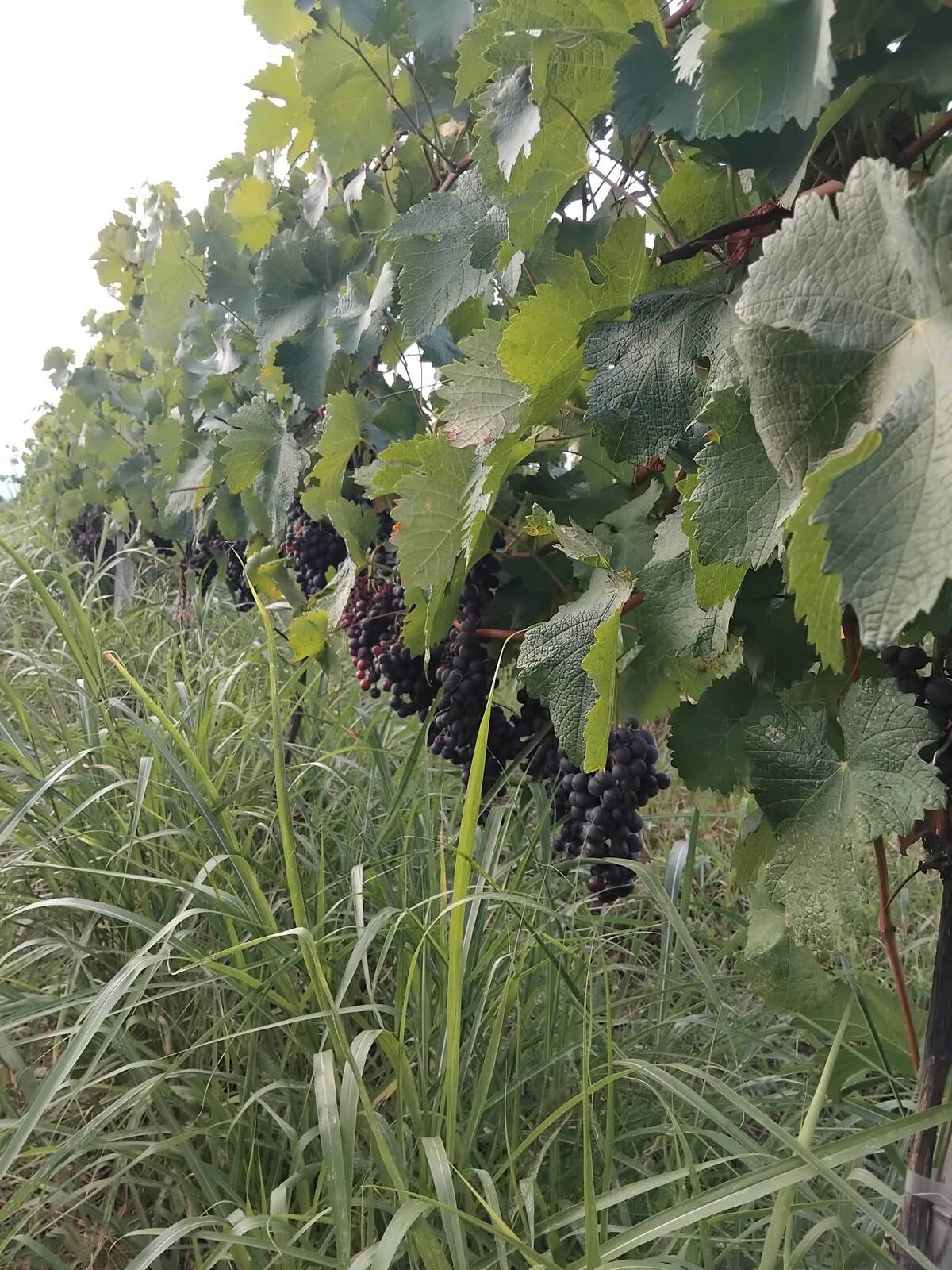
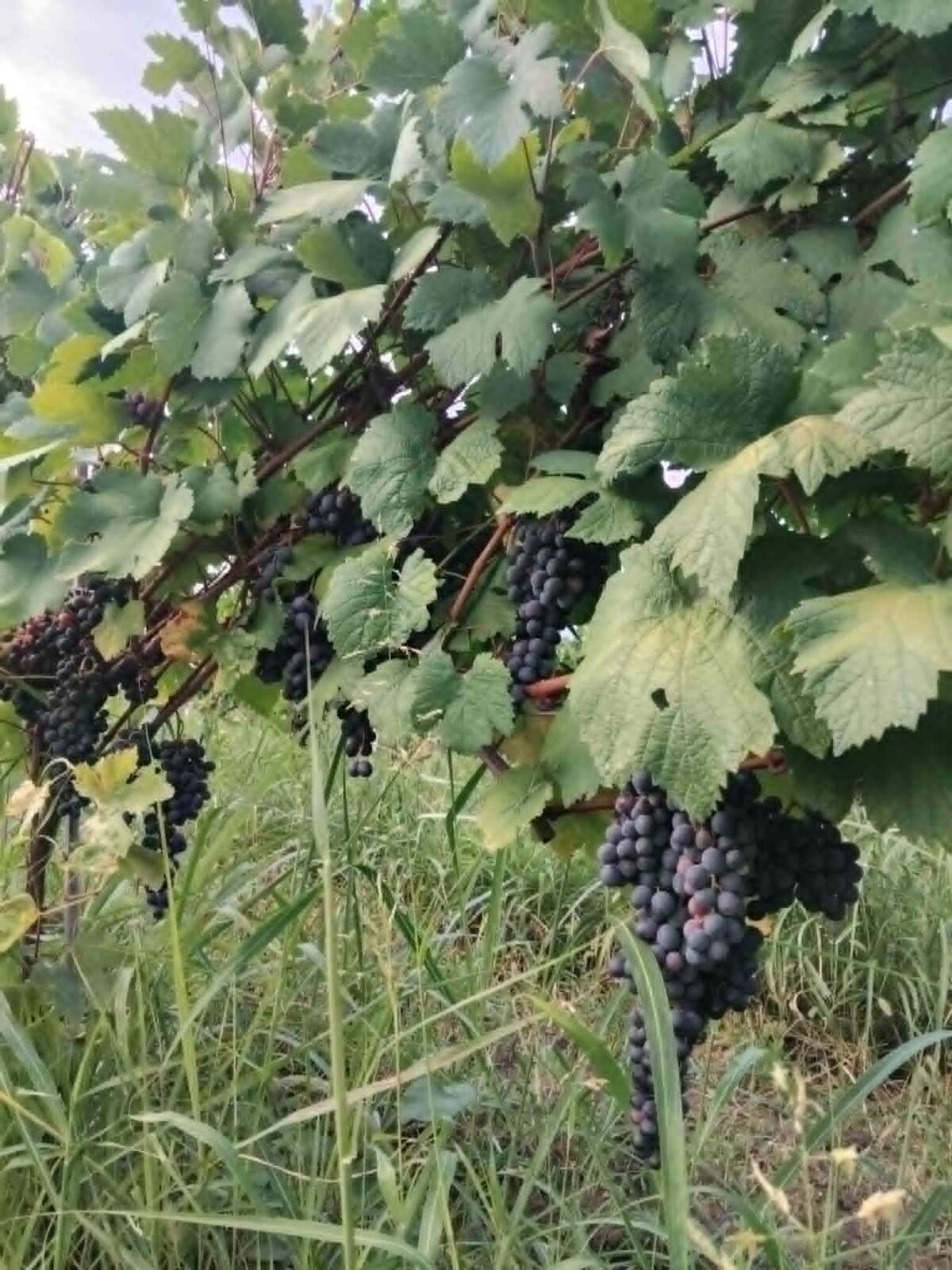
Measuring taste, sugar and pH level to see whether the grapes are ready to be plucked. Shavi Rkatsiteli grapes are much smaller, darker and more intense, with more structured vines and smaller leaves; Ikaltos Tsiteli grapes are larger, lighter, and the vines spread out everywhere with big leaves. It's exciting to see what we get.
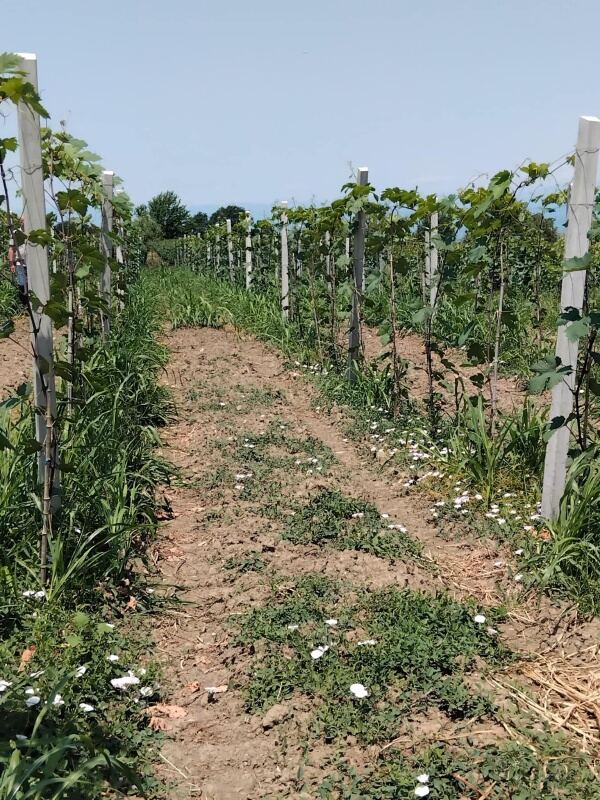
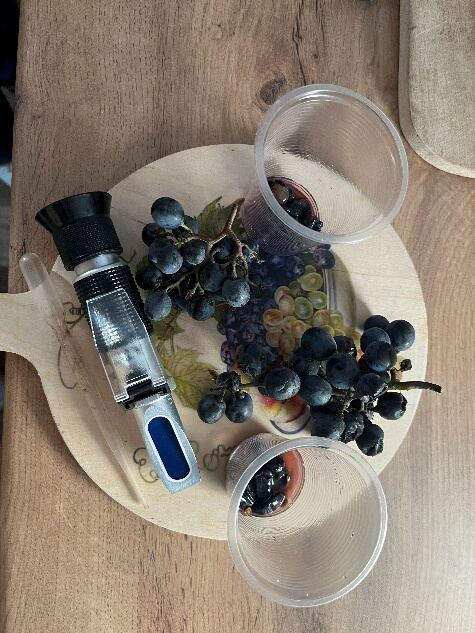
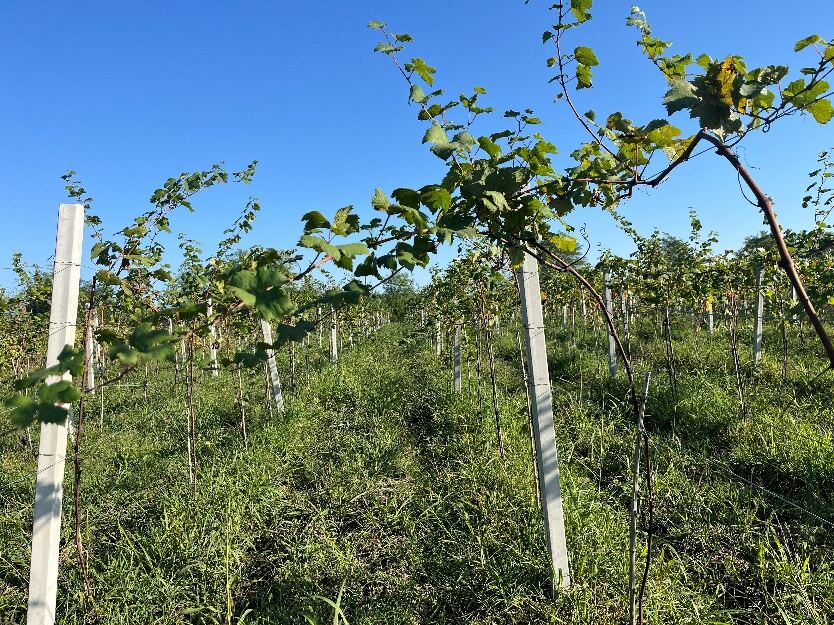
Harvesting time. We gathered 6 kilograms in total, about 2.8 kg of Shavi Rkatsiteli and 3 kg of Ikaltos Tsiteli, with a nice sugar level of 23.5 and a pH of 3.8 on both.
6 kg harvested · sugar 23.5 · pH 3.8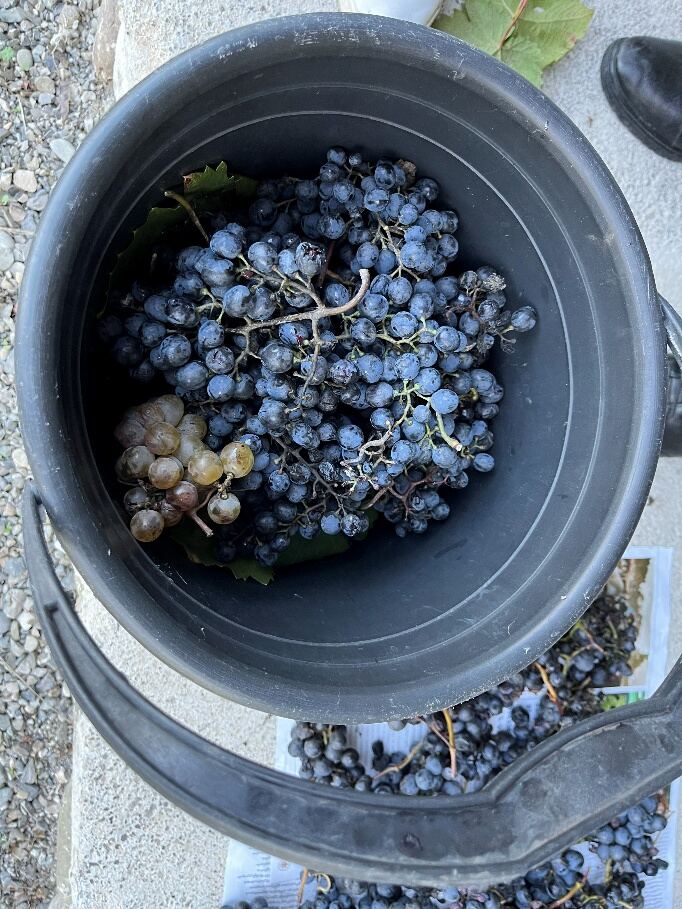
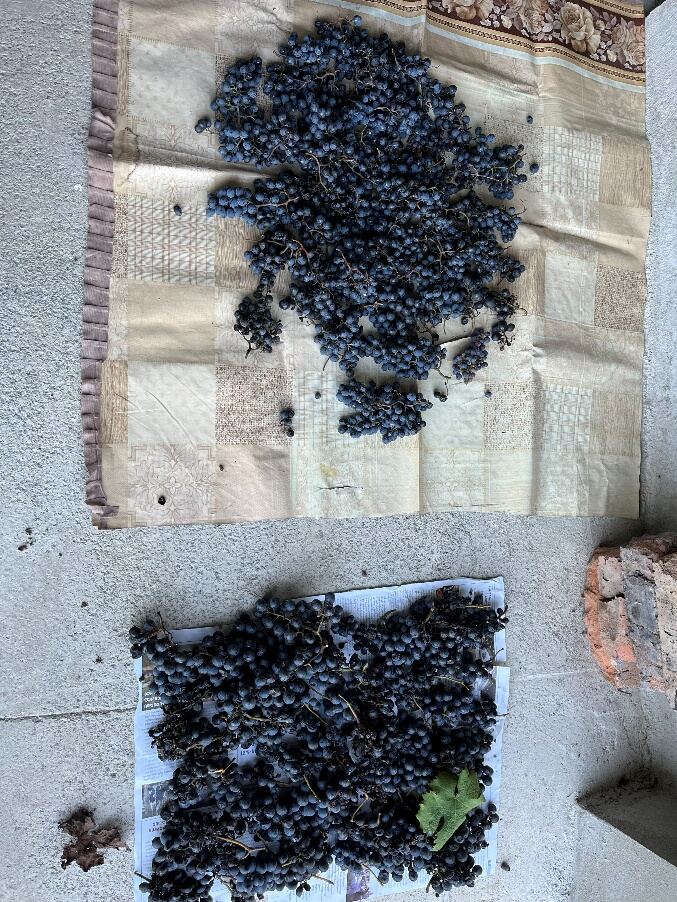
We brought the grapes home and I pressed both varieties separately, by hand, in separate pots, keeping them there so we could monitor the fermentation more closely.
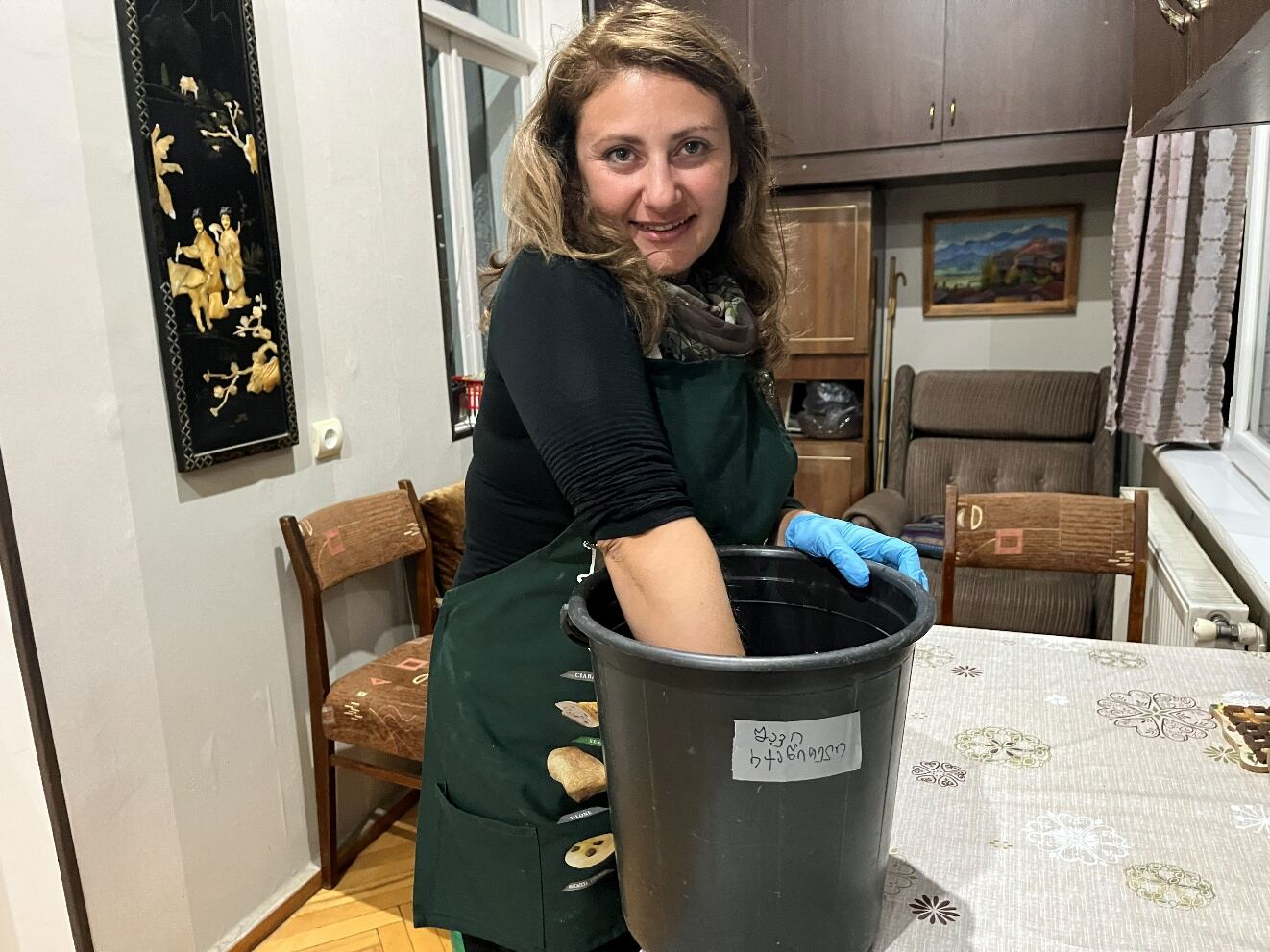
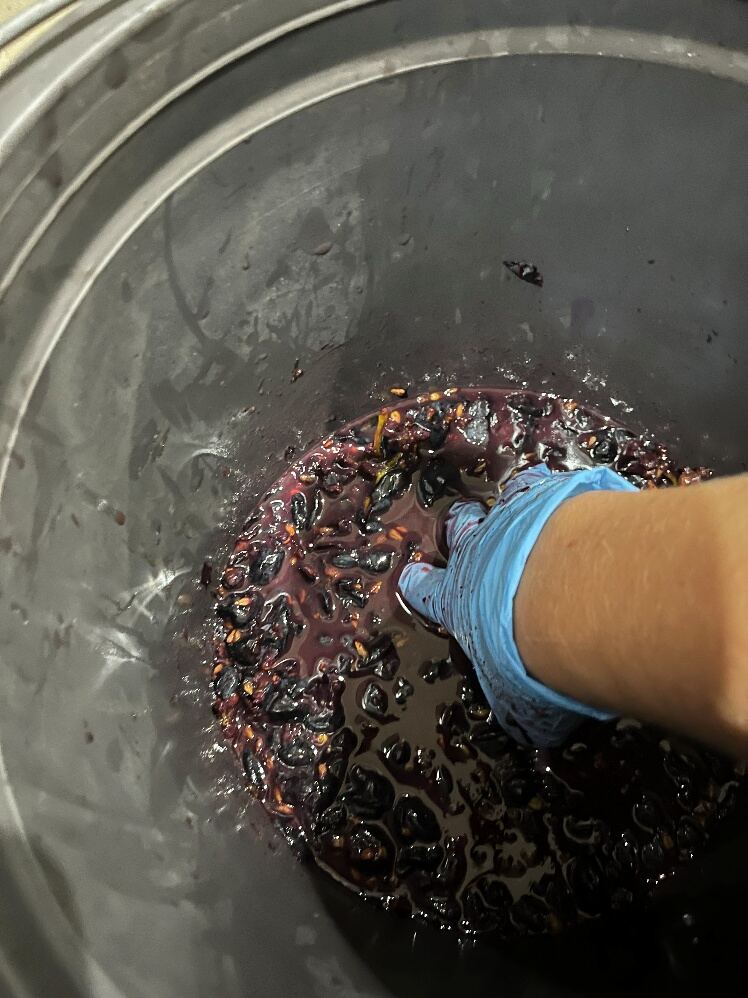
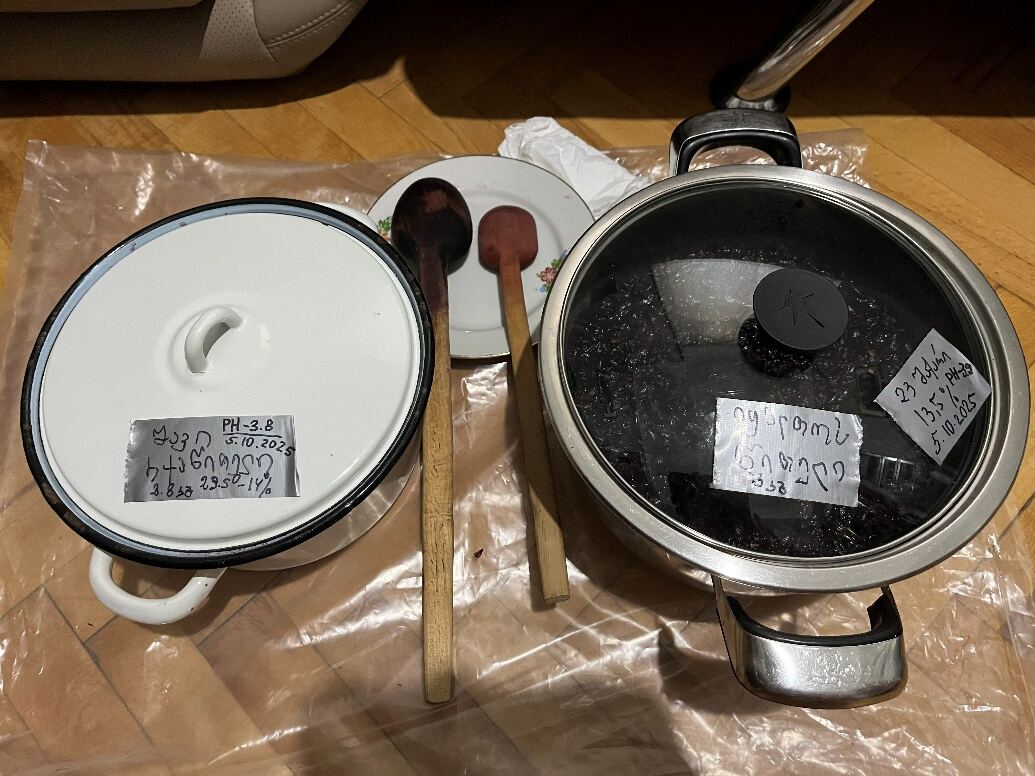
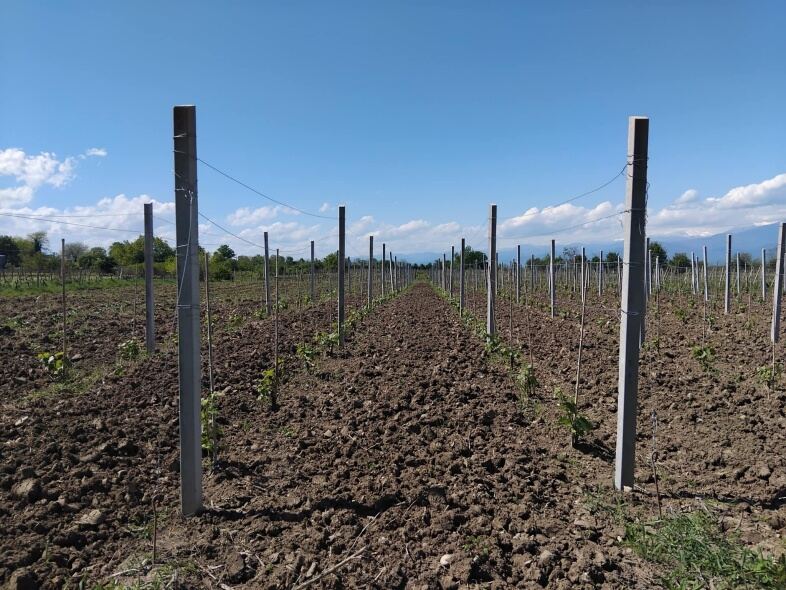
The vines head into their third year, fuller and more established with every season. Our first vintage is expected this October.
This is only the beginning
Sanini is a journey to rediscover something that was almost forgotten. It's a journey about wine, but also about family, memory, heritage, and the possibility of bringing something back to life.
I don't know exactly where this journey will take us. But I know where it started: with an inherited plot of land, a taste of a forgotten grape, and the memory of my great-grandmother's cherry trees, and with two grapes that I hope will now have a future.
Be part of the rebirth of these forgotten Georgian grapes and follow us on Instagram or write to us.
Contact us: info@saniniwines.com
Follow us on Instagram: @sanini.diary